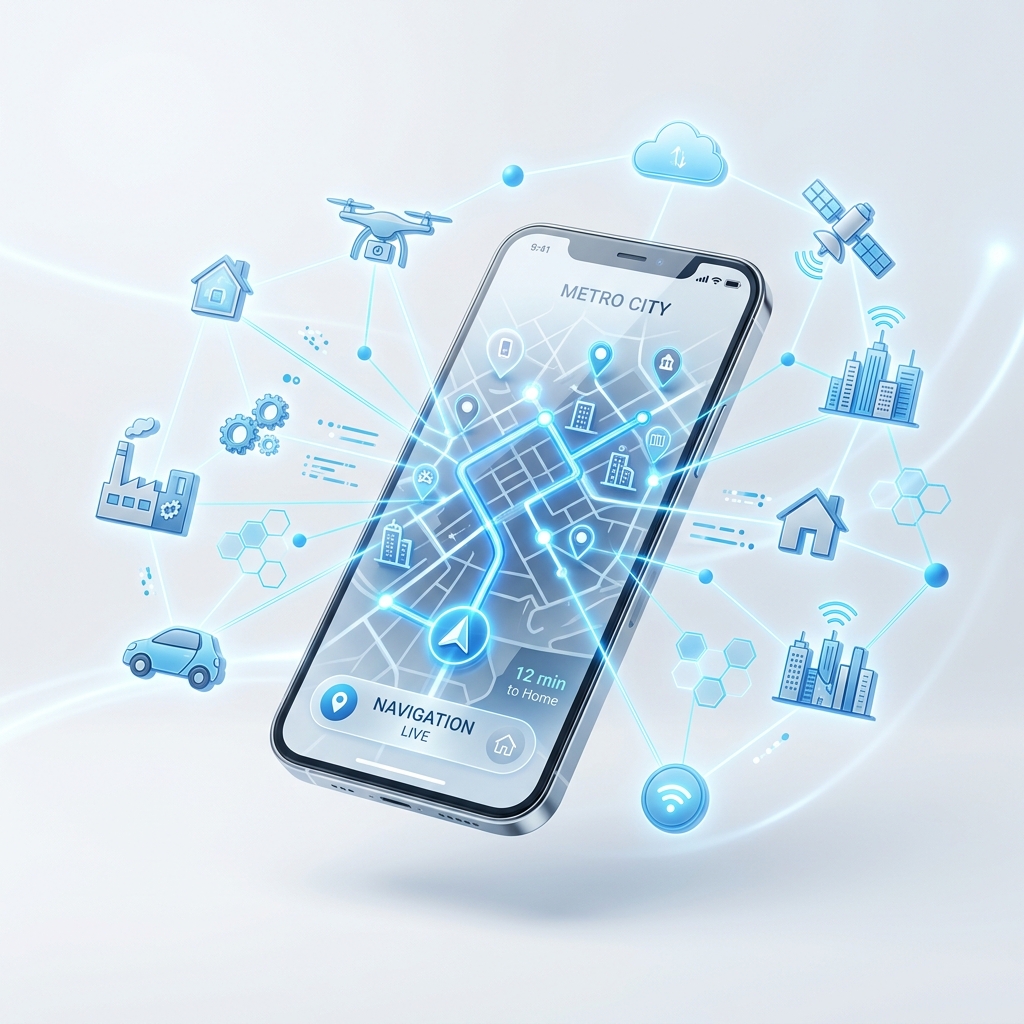
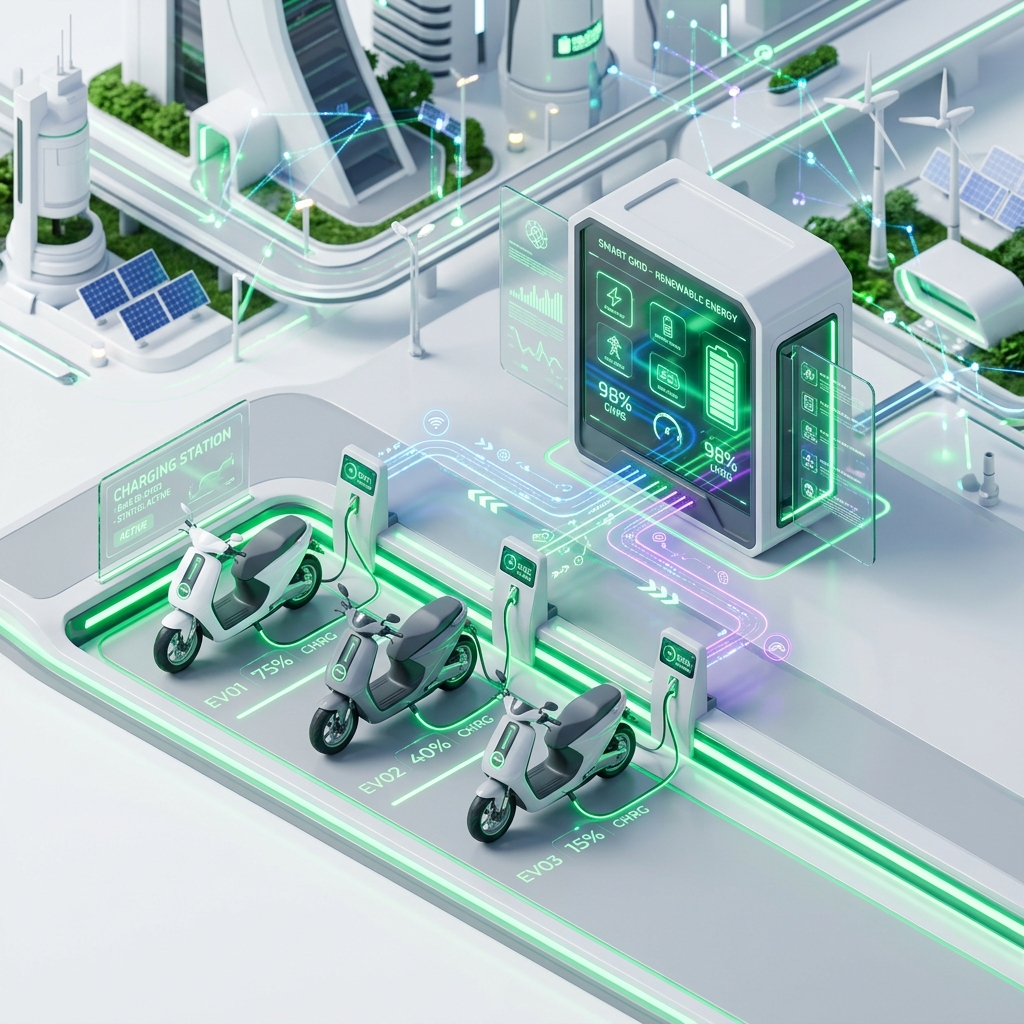
One Integrated Intelligent Infrastructure

Driving the Future
of EV and Smart Mobility.

We build the Brain of Mobility, power the Heart of Energy, and activate the next generation of decentralized physical infrastructure networks.

Today
Vehicles Move.
Tomorrow
Vehicles Coordinate.
Swarm Online
Node ID: EV-G9X
Node #104 (Rider)
Connected • Battery 42%
Active
Node #208 (Swap Station)
5 Drawers Available
Ready
Node #312 (Grid Central)
Load Balanced
Synced
// Swarm Hub Console v2.0
> Swarm protocol standing by...
> Click simulate to trigger coordination
Latest Updates

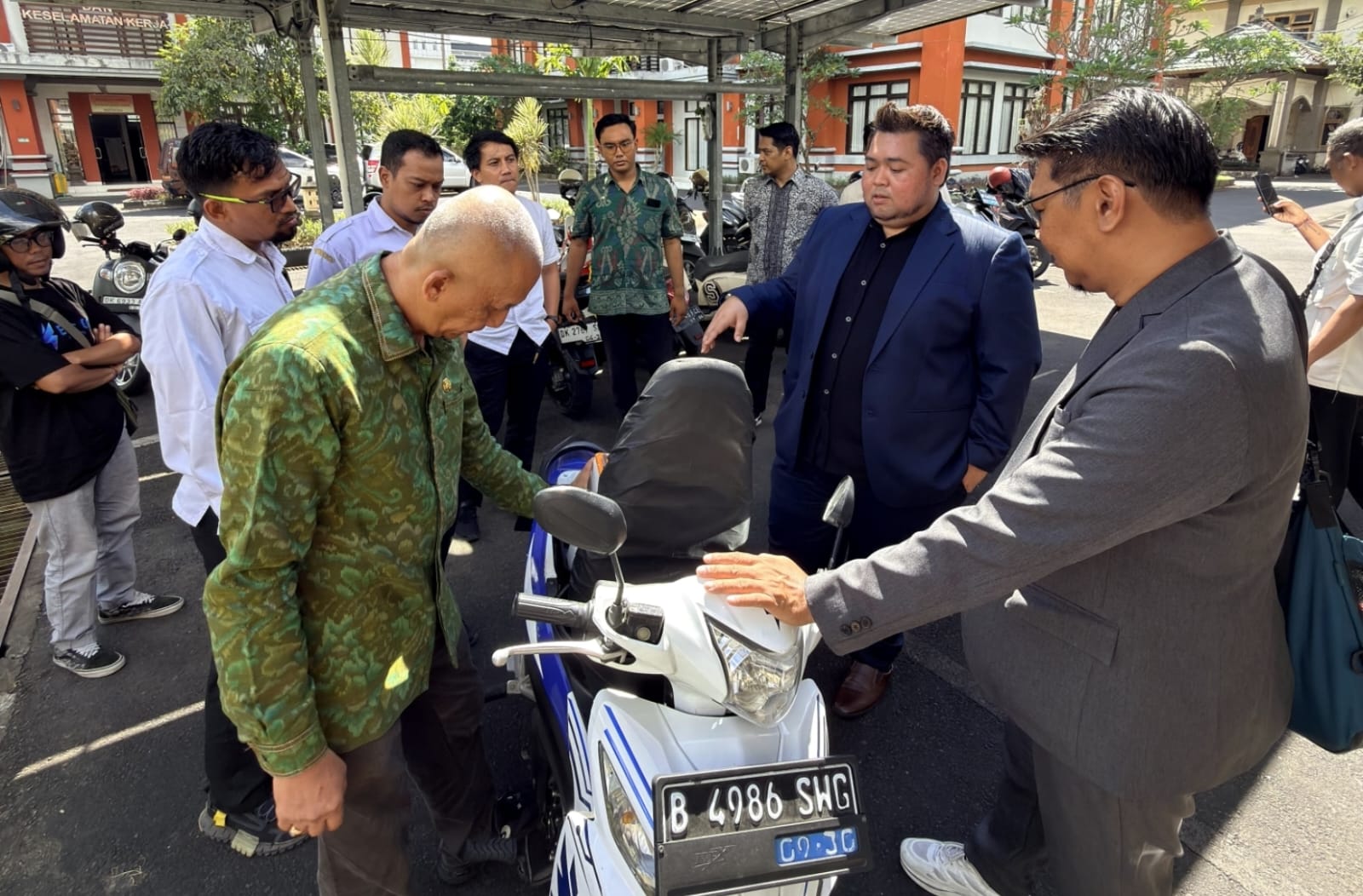
Building the Future of EV Infrastructure in Indonesia

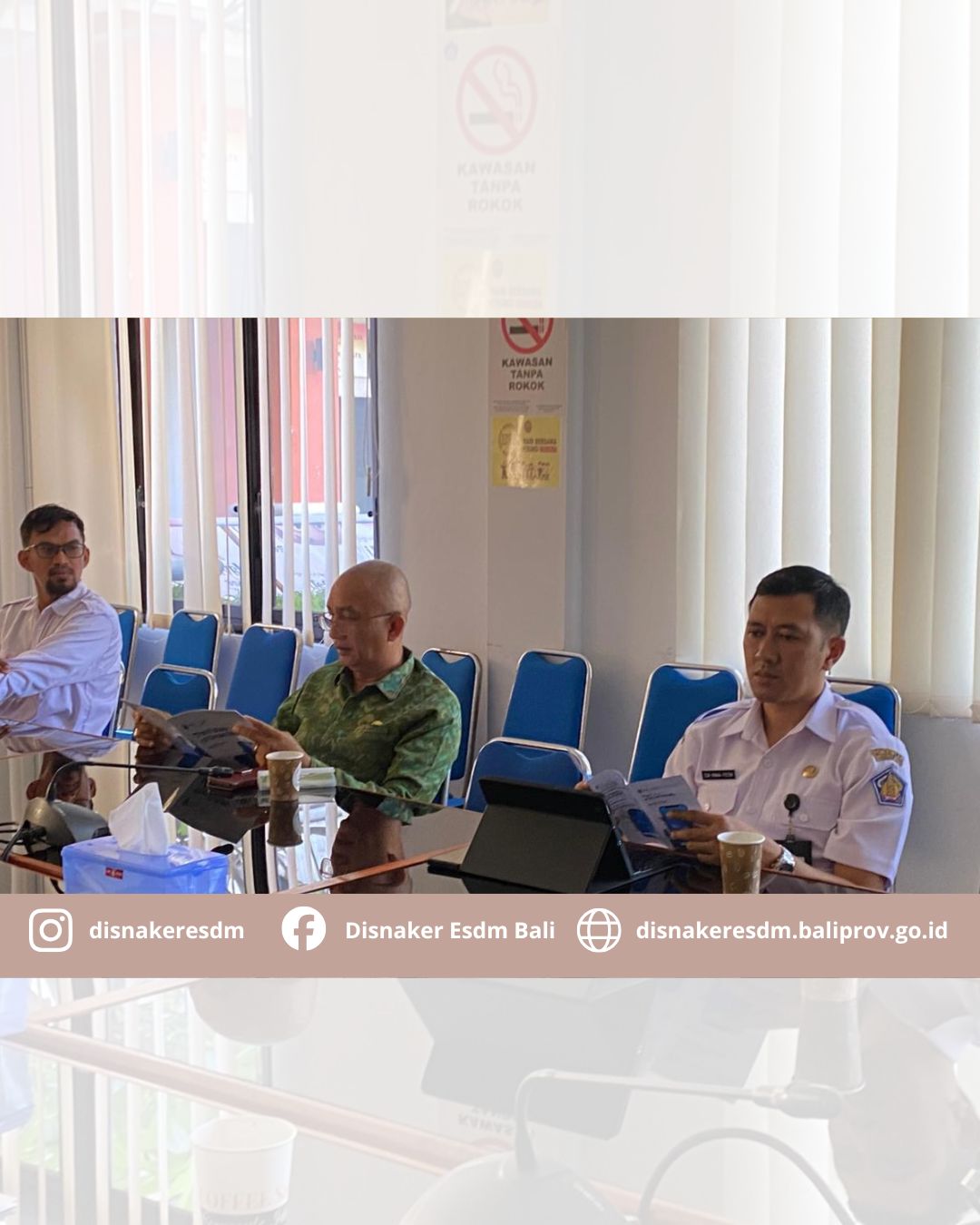
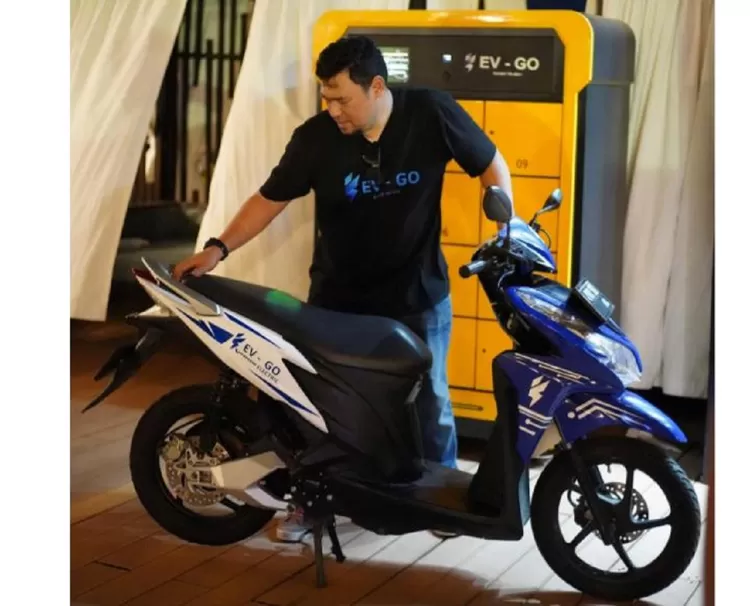
Recent developments surrounding EV-Go in Bali.
Our Core Ecosystem

Reimagining mobility and energy infrastructure through three integrated dimensions.

Brain of Mobility
Brain of Mobility

Intelligence at the Edge

Vehicle operating systems, edge AI, fleet intelligence, OTA updates and future swarm coordination.

Heart of Energy
Heart of Energy

Powering the Ecosystem

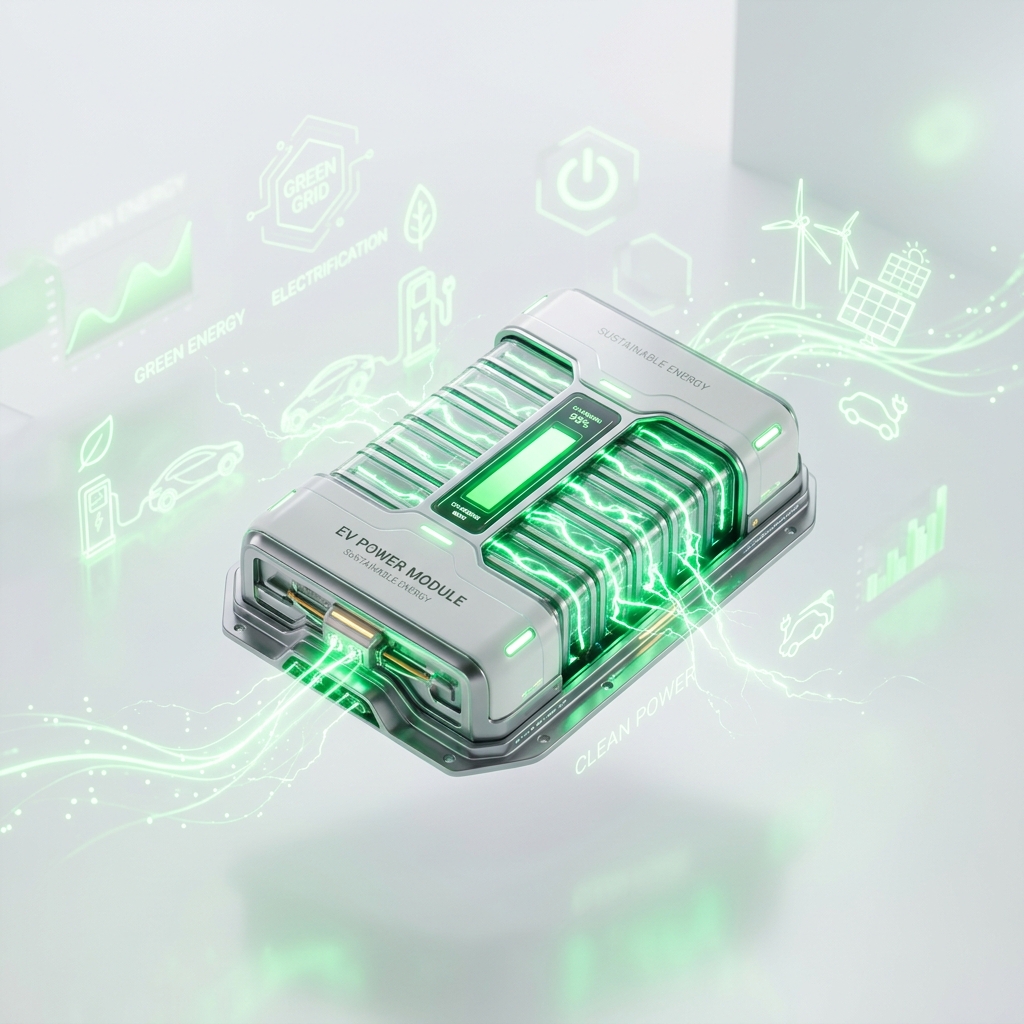
Battery systems, battery management systems (BMS), swap stations and distributed energy infrastructure.

Network of Intelligence

DePIN Ecosystem

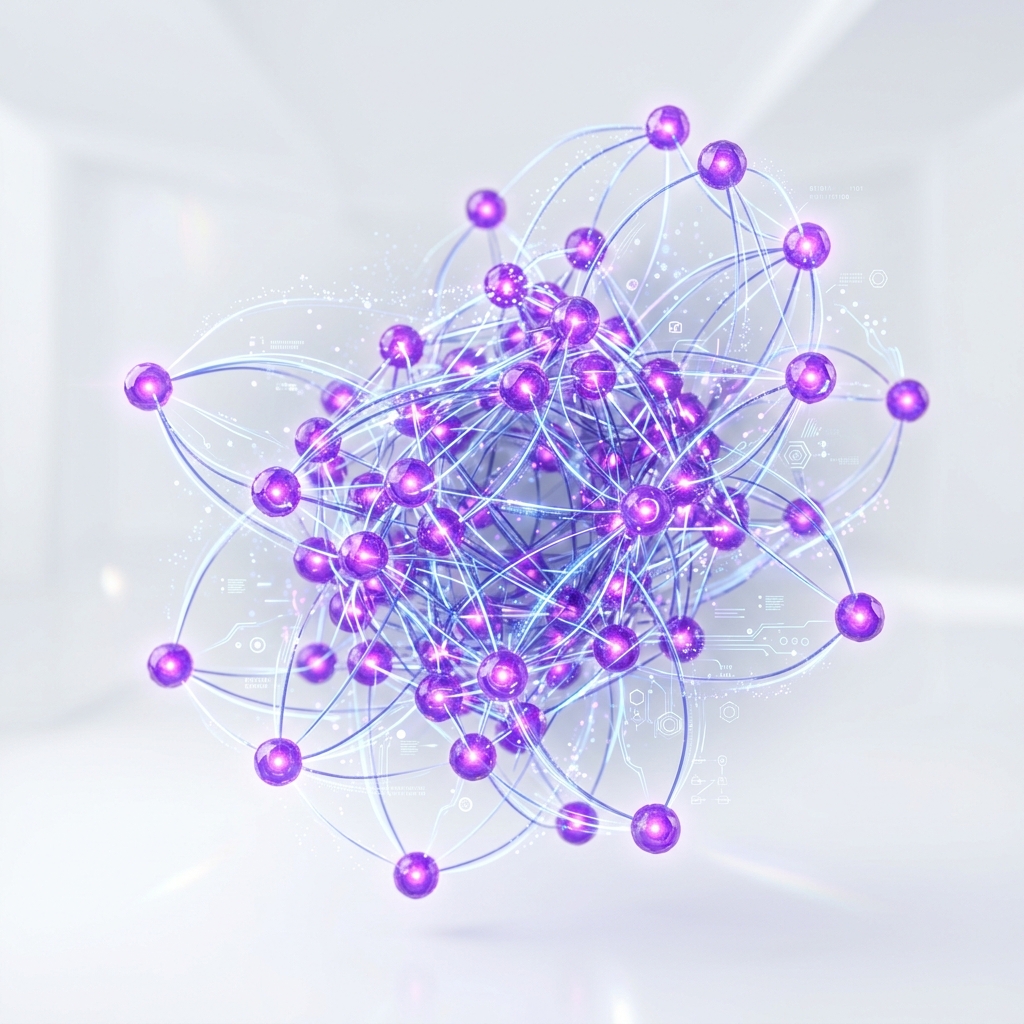
Connected vehicles, energy sharing, autonomous coordination and machine economies.

Strategic Blueprint

The Three Phases

A phased roadmap to scale physical infrastructure and network coordination.

Phase 1

Electrification

Standardizing motorcycle conversion workflow and physical battery swap standards across active hubs.

Core: Swappable Powertrains July 2026
Phase 2

Digitalization

Enabling real-time edge telemetry with iRAH™ Hub, remote battery monitoring, and intelligent station maps.

Core: Edge telemetry IoT Q1 2027
Phase 3

Automation

Vehicles, batteries and stations cooperate as a swarm. Intelligence emerges from the network itself.

Core: AI Swarms Q2 2028
Starting with conversion. Building toward intelligent networks.

Millions of Vehicles.
Millions of Batteries.
Thousands of Stations.

One Intelligent Network.

Millions of Connected Vehicles
Swarm Network Active

Decentralized EV Fleet Charging Nodes

120M+
Target Vehicles
80M+
Batteries Monitored
15k+
Smart Cabinets
2 Mins
Average Swap Time
National EV Infrastructure

From Fuel Dependency to Smart Electric Mobility

Integrated Conversion Workflow

Every converted motorcycle becomes connected to EV-Go infrastructure instantly.

Recurring Energy Economy

Create sustainable recurring revenue through battery swaps and energy usage.

Data-Driven EV Operations

Understand battery behavior, rider activity, and operational efficiency at national scale.

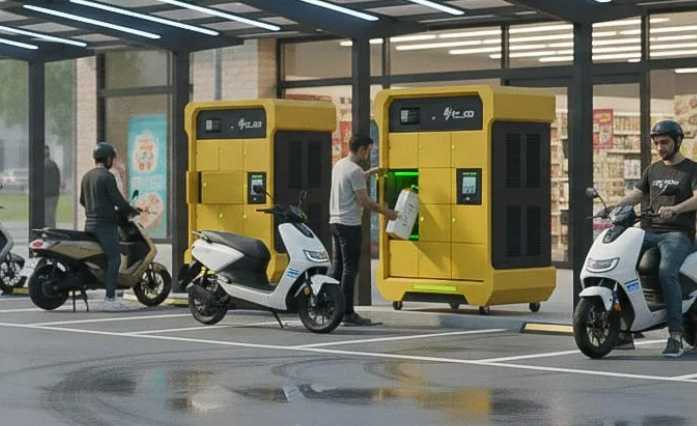
EV-Go Smart Swap Cabinet Station
Live Cabinet Infrastructure

Smart Swap Cabinet Drawers Operating Across Indonesia

Motorcycle Conversion
Workshop Activation
Battery Telemetry
Real-Time Monitoring
Battery Swapping
Energy Distribution
Our Conviction

Today, Vehicles Move.
Tomorrow, Vehicles Coordinate.

FAQ

Technical & Ecosystem FAQ

Vehicle conversion is the fastest, most cost-effective way to transition to green energy without discarding existing motorcycle chassis. By recycling perfectly functional bodyframes and installing custom EV power modules, we reduce electronic waste, lower capital costs for riders, and rapidly accelerate carbon reduction targets across emerging markets.
The EV-Go Brain, known as iRAH™ (Intelligent Rider Assistant & Hub), is our custom-designed onboard IoT computer and edge AI controller. It connects to the vehicle's telemetry system and reads battery health metrics, provides live maps, manages speed profiles, coordinates Over-The-Air (OTA) software updates, and enables the decentralized swarm intelligence network.
Instead of plugging in your motorcycle and waiting hours to charge, you simply pull up to any EV-Go Smart Swap Cabinet, authenticate with your app or automatic RFID detection, slide your depleted battery into an open drawer, and retrieve a fully charged replacement. The entire physical exchange takes less than 2 minutes.
Swarm coordination allows vehicles, batteries, and smart charging stations to share state dynamically in real-time. Instead of querying a central server for everything, nearby devices self-organize to negotiate resource allocation—such as reserving a battery swap drawer for an approaching rider or adjusting charging rates to prevent local grid spikes.
Nearby vehicles communicate using a decentralized vehicle-to-vehicle (V2V) mesh network running over local Wi-Fi. This peer-to-peer setup allows motorcycles and stations to coordinate directly with one another—sharing traffic telemetries, hazard warnings, and routing charging data without needing a cellular signal or internet connection.
Vehicle-to-Grid (V2G) allows our swap cabinets and parked vehicles to act as distributed battery power stations. During periods of peak electricity demand, the network can safely feed energy back into the city grid from swap stations, receiving financial rewards for stabilization, and charges them back up during off-peak windows when power is cheap and green.
Through our circular energy economy, EV owners can trade or use their surplus energy as a value asset. When you generate extra power (via solar-integrated charging at home or contribution back to the grid during V2G peak periods), you earn transaction credits. These credits can be spent directly inside the EV-Go network to pay for battery swaps, rent electric vehicles, book workshop services, or trade peer-to-peer with other riders.
DePIN (Decentralized Physical Infrastructure Network) enables community members, fleet partners, and individual hosts to own and operate parts of the infrastructure—such as swap stations, solar chargers, or battery nodes. By aligning incentives through tokenized coordinate mechanics or direct yield-sharing, the physical network can scale organically far quicker than traditional top-down corporate operations.
Our roadmap scales from conversion of individual vehicles to fully autonomous coordination. Phase 1 centers on converting motorcycles to standardized electric frames. Phase 2 digitizes the fleet, collecting telemetry and coordinating swap infrastructure. Phase 3 automates the network, enabling autonomous vehicle-to-grid balance, self-routing delivery networks, and self-custody machine transaction economies.